Steel vs Polymer Pool Walls: Which One Lasts Longer?
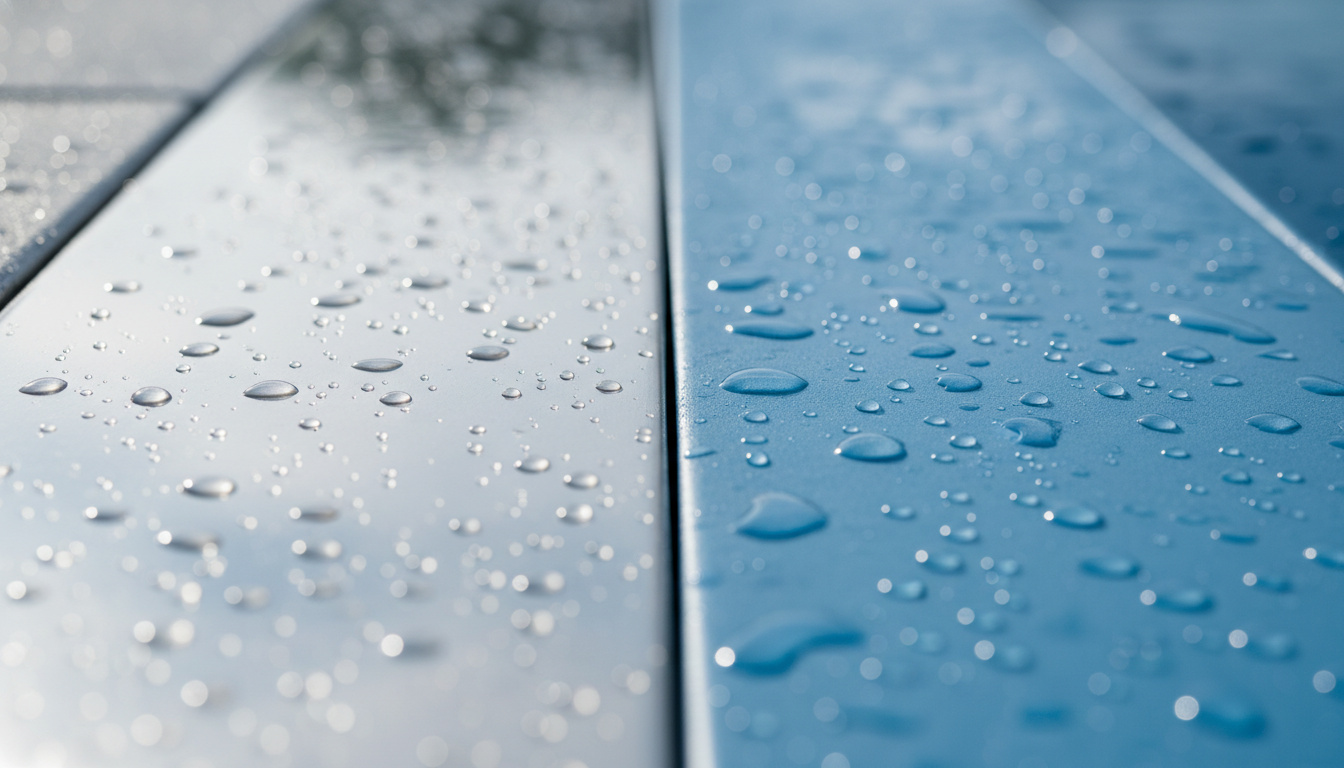
Steel and polymer are the two dominant wall materials in above-ground and semi-inground pool kits, and the wrong choice can mean rust stains, warped panels, or a wall that fails within a decade. The short answer: steel wins on rigidity and cost, polymer wins on corrosion resistance and longevity in wet or coastal climates.
What “Pool Walls” Actually Means Here
In above-ground pool kits, the wall is a single continuous sheet (or several interlocking panels) that forms the vertical structure of the pool. It sits on a bottom rail, connects to top rails and uprights, and holds the liner in place. Everything else — the liner, the pump, the filter — is secondary to how well that wall holds up under 20,000+ pounds of water pressure and years of soil contact.
Both steel and polymer walls come in gauges or thicknesses that vary by manufacturer. Don’t assume all steel is the same or all polymer is the same. A 14-gauge galvanized steel wall from a reputable brand outperforms a thin, 52-inch polymer panel from a budget kit.
The Case for Steel Walls
Steel has been the default pool wall material for 60+ years for good reason. It’s rigid, dimensionally stable, and handles hydrostatic pressure without flexing. A properly galvanized steel wall — especially one with a baked enamel interior coating — resists corrosion well in normal soil and climate conditions.
Cost is the other advantage. Steel-wall pools are consistently cheaper upfront. Kits like the Intex Ultra XTR Frame Pool and oval or round pools from brands like Wilbar and Doughboy use steel walls as their structural backbone and undercut polymer kits by hundreds of dollars.
The liability is moisture. If the galvanization is compromised — scratched during installation, corroded by acidic soil, or attacked by chlorine that seeps behind the liner — rust spreads fast. Once a steel wall panels rusts through, the pool is done. This is not a repair situation.
The Case for Polymer Walls
Polymer (high-density polyethylene or similar resins) doesn’t rust. Full stop. That’s the reason most pool owners in humid climates, coastal areas, or regions with high soil moisture lean toward polymer walls when budget allows.
Polymer walls also don’t conduct heat as aggressively as steel, which means the wall surface stays cooler to the touch and doesn’t stress the liner as much in direct sun. Over a 15–20 year liner lifespan, that matters. Brands like Radiant Pools have built their entire product line around polymer panels, including semi-inground applications where the wall is partially buried — exactly the environment where steel corrodes fastest.
The tradeoffs: polymer walls cost more, can flex slightly under pressure if the engineering is marginal, and can crack under severe impact (though this is rare in normal use). They’re also harder to find at the budget tier.
Key Decision Criteria
Stop treating this as a brand preference question. Run through these four filters:
- Climate and humidity. High humidity, coastal salt air, or frequent rain? Polymer is worth the premium.
- Soil conditions. Acidic soil (common in the Southeast U.S.) accelerates steel corrosion. Get a basic soil pH test before deciding.
- Installation depth. Fully above-ground steel walls perform reasonably well. Any semi-inground or buried application favors polymer.
- Budget. If a steel-wall kit fits your budget and polymer doesn’t, quality steel with a proper baked-enamel coating is a legitimate choice — just inspect the wall annually and address any rust spots immediately with a rust-inhibiting primer.
What the Industry Actually Recommends
Most pool builders and remodelers will tell you polymer wins on longevity if you can afford it, and the premium is shrinking as polymer manufacturing scales up. A Doughboy Pool with a heavy-gauge steel wall still carries strong reputation among installers in the Midwest — dry climates where soil moisture is low. In Florida or the Gulf Coast, polymer walls aren’t a luxury, they’re a maintenance decision.
A few hybrid products now exist — steel walls with full polymer coating or composite construction — that try to split the difference. The Oceanus Steel Wall Pool by Wilbar and similar products coat the steel in resin to block moisture contact. These are worth considering if you’re in a moderate climate and want some corrosion protection without full polymer cost.
Installation and Long-Term Maintenance
Neither wall type is maintenance-free. Steel walls need annual inspection for rust spots, especially at seams and at the bottom rail where ground moisture accumulates. Catch surface rust early and treat it — a wire brush plus Rust-Oleum Stops Rust Primer buys you years if applied before the rust penetrates the panel.
Polymer walls need essentially no corrosion maintenance, but check for panel stress cracking if the pool shifted during winter or if the liner was installed with excessive tension.
Bottom line: In dry inland climates, quality steel walls are a sound, economical choice. In anything humid, coastal, or semi-inground, pay the premium for polymer — the rust-proofing alone will offset the price difference within 5–7 years of avoided repairs.
Where to Buy
- Intex Ultra XTR Frame Pool
- Radiant Pools polymer pool wall
- Doughboy above ground pool
- Oceanus Steel Wall Pool Wilbar
- Rust-Oleum Stops Rust Primer